

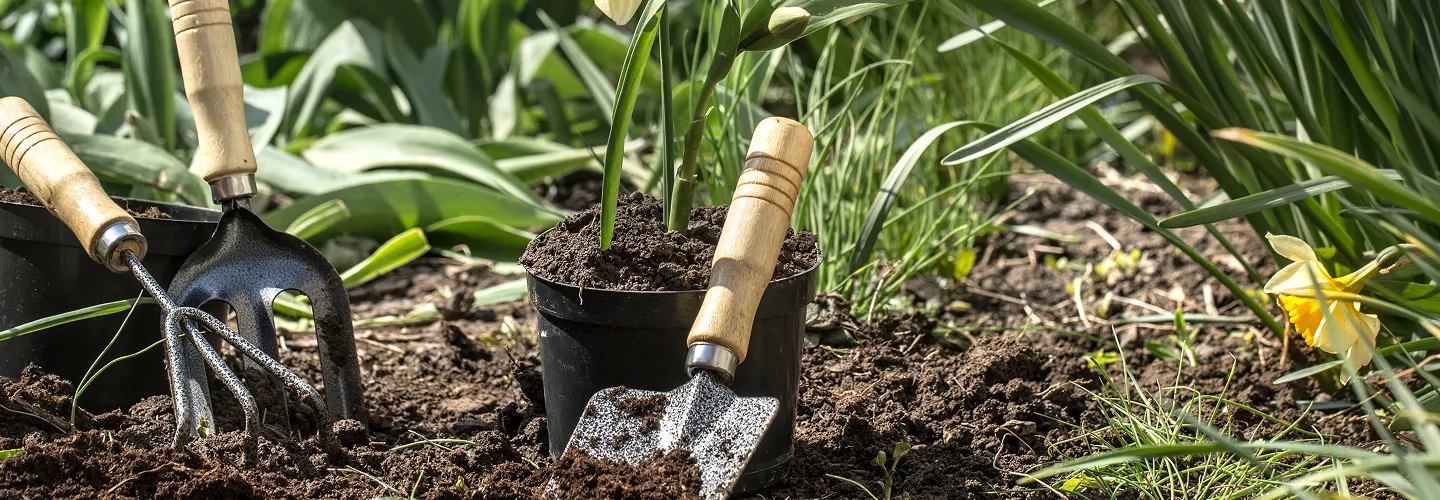
Needham Lawn Grubs Control Services
Choose our Lawn Grubs Control for proven, effective treatments that safeguard your grass, restore your yard’s health, and keep your landscape beautiful all season long.
Get a Free QuoteWhen to Schedule Lawn Grubs Control in Needham, Massachusetts – Seasonal Guide
In Needham, Massachusetts, the best time to schedule lawn grubs control is typically late summer through early fall, when grubs are most active near the soil surface. The town’s climate—with its warm, humid summers and cold winters—means that grubs hatch after the peak of summer heat, making August and September ideal for treatment. Local neighborhoods like Broadmeadow and areas near Cutler Park often experience varying soil moisture and shade, which can influence grub activity and the effectiveness of control measures.
Environmental factors such as the average first frost date, which usually occurs in mid-October, and the risk of late-summer droughts can impact the timing and success of grub treatments. Properties with dense tree coverage, like those near Rosemary Lake, may retain more soil moisture and shade, creating favorable conditions for grubs. For more information on local environmental data, visit the Town of Sudbury’s resource page.
Local Factors to Consider for Lawn Grubs Control in Needham
- Tree density and shade coverage, especially in neighborhoods like Mitchell and Olin Woods
- Soil type and drainage, which can vary between river-adjacent and upland areas
- Precipitation patterns and drought risk during late summer
- Proximity to wetlands or conservation land, such as Cutler Park
- Municipal restrictions or guidelines on pesticide use
- Terrain and lawn slope, affecting water retention and grub movement
Benefits of Lawn Grubs Control in Needham
Effective Grub Elimination
Healthier, Greener Lawns
Eco-Friendly Treatment Options
Experienced Landscaping Professionals
Customized Lawn Care Plans
Long-Term Pest Prevention
Needham Lawn Grubs Control Types

Chemical Grub Control
-
Biological Grub Control
-
Preventative Grub Treatments
-
Organic Grub Solutions
-
Nematode Applications
-
Cultural Lawn Practices
-
Seasonal Grub Monitoring
Our Lawn Grubs Control Process
Inspection and Identification
Customized Treatment Plan
Targeted Application
Monitoring and Follow-Up
Why Choose Needham Landscape Services
-
Needham Homeowners Trust Us
-
Expert Lawn Maintenance
-
Reliable Seasonal Cleanups
-
Competitive Pricing
-
Professional Team
-
Satisfaction Guarantee
-
Personalized Service
Contact Needham's Department of Public Works for Grub-Damaged Turf Disposal & Treatment Debris Management
Proper disposal of grub-damaged turf and treatment debris is essential for environmental protection and regulatory compliance in Needham. Seasonal yard waste collection runs from April–November and requires the use of biodegradable paper bags—plastic bags are strictly prohibited per Massachusetts Department of Environmental Protection guidelines. Residents must follow Transfer Station procedures, including operating hours, permit/sticker requirements, and applicable fees. Grub-infested turf, thatch, and soil plugs from core aeration should be separated for collection. Post-treatment renovation debris, such as removed turf and overseeding waste, should be coordinated with municipal composting programs. Pesticide containers must be triple-rinsed, documented, and disposed of at household hazardous waste events—never in regular trash or recycling. Disposal in streets, gutters, or storm drains is strictly prohibited and constitutes an MS4 violation.
Needham Department of Public Works
500 Dedham Avenue, Needham, MA 02492
Phone: (781) 455-7550
Official Website: Needham Department of Public Works
Understanding Grub Species & Life Cycles in Needham's Glacial Till & Rocky New England Soils & Climate Zone 6b
Needham’s lawns are affected by several grub species, each with unique life cycles and habitat preferences. Common Massachusetts grubs include:
- Japanese Beetle (Popillia japonica): C-shaped larvae, 1-year life cycle, peak adult emergence June-July
- European Chafer (Rhizotrogus majalis): similar appearance, May-June emergence, increasingly common
- Asiatic Garden Beetle (Maladera castanea): smaller grubs, common in coastal MA, July-August emergence
- Oriental Beetle (Anomala orientalis): variable color, sandy soils, June-July emergence
- May/June Beetles (Phyllophaga spp.): 2-3 year life cycles, less common Adults emerge and lay eggs June-August; larvae develop through three instars, overwintering as 2nd/3rd instars at depths of 36-48 inches. Spring feeding resumes when soil temperatures exceed 50°F. Needham’s glacial till, sandy outwash, and rocky shallow soils influence grub survival, with drainage and organic matter content affecting egg and larval development. For detailed soil data, consult the USDA Web Soil Survey. Irrigation during hot summers and thatch accumulation can increase grub risk. The UMass Extension Turf Program offers diagnostic support.
Professional Grub Identification & Economic Threshold Assessment for Needham Properties
Accurate grub identification and assessment are critical for effective management. Professionals conduct visual inspections for irregular brown patches and perform pull-tests for loose turf. Systematic soil sampling—1-foot square, 3-4 inches deep—allows for grub counting and species identification using morphological features. According to UMass Extension, treatment is warranted at 6-10 grubs per square foot in normal turf, or 3-5 grubs per square foot in low-cut or animal-disturbed areas. Japanese beetles are particularly aggressive feeders. Differential diagnosis is important to distinguish grub damage from drought, fungal diseases, fertilizer burn, or salt injury. For complex cases, the UMass Extension Plant Diagnostic Lab provides expert analysis. Optimal assessment occurs in August-September for current larvae and April-May for overwintering populations, with soil temperature and moisture influencing sampling accuracy.
Needham Conservation Commission Requirements for Grub Control Near Protected Areas
Grub control near wetlands, vernal pools, and other protected resources in Needham is regulated under the Massachusetts Wetlands Protection Act (M.G.L. c. 131, § 40). Permits (NOI/RDA) are required for pesticide applications within 25-100 feet of resource areas. Seasonal restrictions apply during wildlife breeding periods—March-August for nesting birds and March-June for vernal pools. Environmental protection measures include groundwater and surface water safeguards, low-drift application techniques, and pollinator protection by avoiding treatments during bloom. Erosion control is vital, especially in glacial till and clay soils, with immediate revegetation and sediment barriers recommended. Advance consultation and documentation with the Conservation Commission are required for all treatments near protected areas.
Needham Conservation Commission
500 Dedham Avenue, Needham, MA 02492
Phone: (781) 455-7550
Official Website: Needham Conservation Commission
Massachusetts Pesticide Regulations & Professional Licensing for Grub Control Services
All commercial grub control in Needham must comply with Massachusetts Department of Agricultural Resources (MDAR) regulations. Applicators require a Category 36 (Turf and Ornamental Horticulture) license, which mandates passing a certification exam covering grub biology, IPM, and environmental protection. Continuing education of 10 contact hours per 3-year cycle is required. Federal EPA registration is necessary for all products, with Restricted Use Pesticides (RUPs) like imidacloprid requiring special handling. Applicators must maintain 1M per occurrence general liability insurance and environmental impairment coverage. Detailed application logs, adverse incident reporting, and effectiveness monitoring are mandatory. For large-scale applications, environmental impact assessments and IPM plans are required.
Needham Building Department
500 Dedham Avenue, Needham, MA 02492
Phone: (781) 455-7550
Official Website: Needham Building Department
Needham Board of Health Guidelines for Safe Pesticide Application & Public Health Protection
The Needham Board of Health oversees public health protection during grub control. Advance public notification of 24-48 hours is required for commercial applications. Setbacks of 100-150 feet from wells and water bodies, and from sensitive sites like schools and parks, must be observed. Re-entry intervals (12-24 hours) are enforced based on product labels. Special restrictions apply in certified organic areas. Risk management includes protecting children, pets, and sensitive individuals, with emergency contacts for poison control (1-800-222-1222) and municipal services. Applicators must use appropriate PPE, calibrate equipment, prevent spills, and monitor weather (wind under 10 mph). Post-application monitoring for effectiveness and non-target impacts is required.
Needham Board of Health
178 Rosemary Street, Needham, MA 02494
Phone: (781) 455-7940
Official Website: Needham Board of Health
Integrated Pest Management Strategies: Cultural, Biological & Chemical Controls in Needham
Integrated Pest Management (IPM) is the foundation of sustainable grub control in Needham. Cultural controls include:
- Irrigation management: avoid overwatering during egg-laying (June-August)
- Mowing height: maintain 3-4 inches for deeper roots
- Thatch management: dethatch if exceeding 0.5 inches; core aerate glacial till/clay soils
- Soil health: add organic matter, adjust pH (5.5-6.5 typical; lime to 6.5-7.0)
- Overseeding: use competitive grass varieties for MA climate Biological controls include beneficial nematodes (Heterorhabditis bacteriophora) applied when soil temps exceed 60°F, and milky spore for long-term Japanese beetle suppression. Chemical controls are a last resort, with preventive applications (chlorantraniliprole, imidacloprid) in late June-July and curative treatments (trichlorfon, carbaryl) in August-September. Spot treatments are preferred over broadcast applications to minimize environmental impact. Consult the UMass Extension Turf Program and UMass Soil and Plant Nutrient Testing Laboratory for guidance.
Seasonal Treatment Calendar & Weather Timing for Needham's Growing Conditions
Grub management in Needham aligns with local climate patterns (Zone 6b). Key seasonal actions include:
- Late Spring (May-June): monitor adult beetle emergence, assess prior damage
- Early Summer (June-July): apply preventive treatments when soil temps reach 60-70°F
- Late Summer (August-September): curative treatments for established grubs; peak damage visible
- Fall (October): assess and renovate damaged areas before winter Weather coordination is crucial—ensure 0.5 inch irrigation after granular applications, avoid treatments before heavy rain (>1 inch), and apply when wind is under 10 mph. Urban heat islands and irrigation systems can affect soil temperature and moisture. Wildlife breeding and pollinator protection require timing adjustments. For real-time weather, consult the National Weather Service Boston/Norton.
Stormwater Management & MS4 Compliance During Grub Control Operations in Needham
Stormwater protection is a priority under the Clean Water Act and MassDEP Stormwater Management Standards. Best practices include:
- Mixing/loading pesticides 100 feet from storm drains/water bodies
- Immediate spill containment and use of absorbent barriers
- Equipment wash water managed in designated areas, never in streets
- Sweeping granules from hard surfaces back onto turf
Many grub products (neonicotinoids, pyrethroids) are highly toxic to aquatic life, requiring 50-100 feet buffer zones near water. Avoid applications before heavy rain. Long-term protection relies on IPM to reduce chemical use and safeguard aquatic ecosystems. Coordinate with the Needham Water & Sewer Division for watershed protection.
Needham Water & Sewer Division
500 Dedham Avenue, Needham, MA 02492
Phone: (781) 455-7550
Official Website: Needham Water & Sewer Division
What Neighborhoods Do We Serve Throughout Needham, MA?
Needham’s neighborhoods present diverse challenges for grub management. Areas with glacial till (e.g., Broadmeadow, Needham Heights) have poor drainage and high clay, favoring grub survival. Sandy outwash soils (near Charles River) offer excellent drainage but lower organic matter. Rocky shallow soils (near Wellesley line) limit root depth and moisture. Marine clay (coastal lowlands) has a high water table. Irrigation prevalence in newer developments increases egg-laying risk during hot summers. Proximity to wetlands, vernal pools, and Zone II wellhead protection areas requires enhanced buffer zones (25-100 feet), especially in neighborhoods near Ridge Hill Reservation and Walker Pond. School zones and parks (e.g., DeFazio Park) demand strict safety protocols. Japanese beetle grubs are most common in disturbed soils, while European chafer and Oriental beetle populations vary by soil type. Community standards, HOA rules, and historic district guidelines may influence management practices.
Needham Parks & Forestry Division
500 Dedham Avenue, Needham, MA 02492
Phone: (781) 455-7550
Official Website: Needham Parks & Forestry Division
Needham Municipal Ordinances for Equipment Operation & Commercial Applicator Standards
Needham regulates equipment operation for commercial grub control to minimize community disruption and ensure safety. Permitted hours are typically 7:00 AM-7:00 PM weekdays, 8:00 AM-6:00 PM Saturdays, with Sunday operations often restricted before 9:00 AM or prohibited—verify local bylaws. Noise and decibel limits apply, especially in residential areas and during holidays. Commercial applicators must register with the Town Clerk, maintain 1M minimum liability insurance, and hold MDAR Category 36 certification. Safety protocols include traffic control, equipment calibration, public notification (24-48 hours), and right-of-way permits for municipal property work. Environmental compliance covers material handling, vehicle maintenance, immediate cleanup, and waste documentation. For ordinance details, contact the Needham Building Department.